Complete Guide
Everything You Need to Know
What Are the Norfolk Broads?
The Norfolk Broads are a network of rivers, lakes, and wetlands stretching across east Norfolk and a small part of north Suffolk. Covering roughly 300 square kilometres, they were designated a National Park in 1989 and are the UK's largest protected wetland.
Despite their natural appearance, the Broads are almost entirely man-made — they are the flooded remains of peat diggings carried out from the 9th to the 14th century. Medieval settlers extracted peat on a huge scale for fuel, and when sea levels rose in the 13th century, the pits flooded to create the shallow lakes we see today. Some broads are up to 4 metres deep; most are considerably shallower.
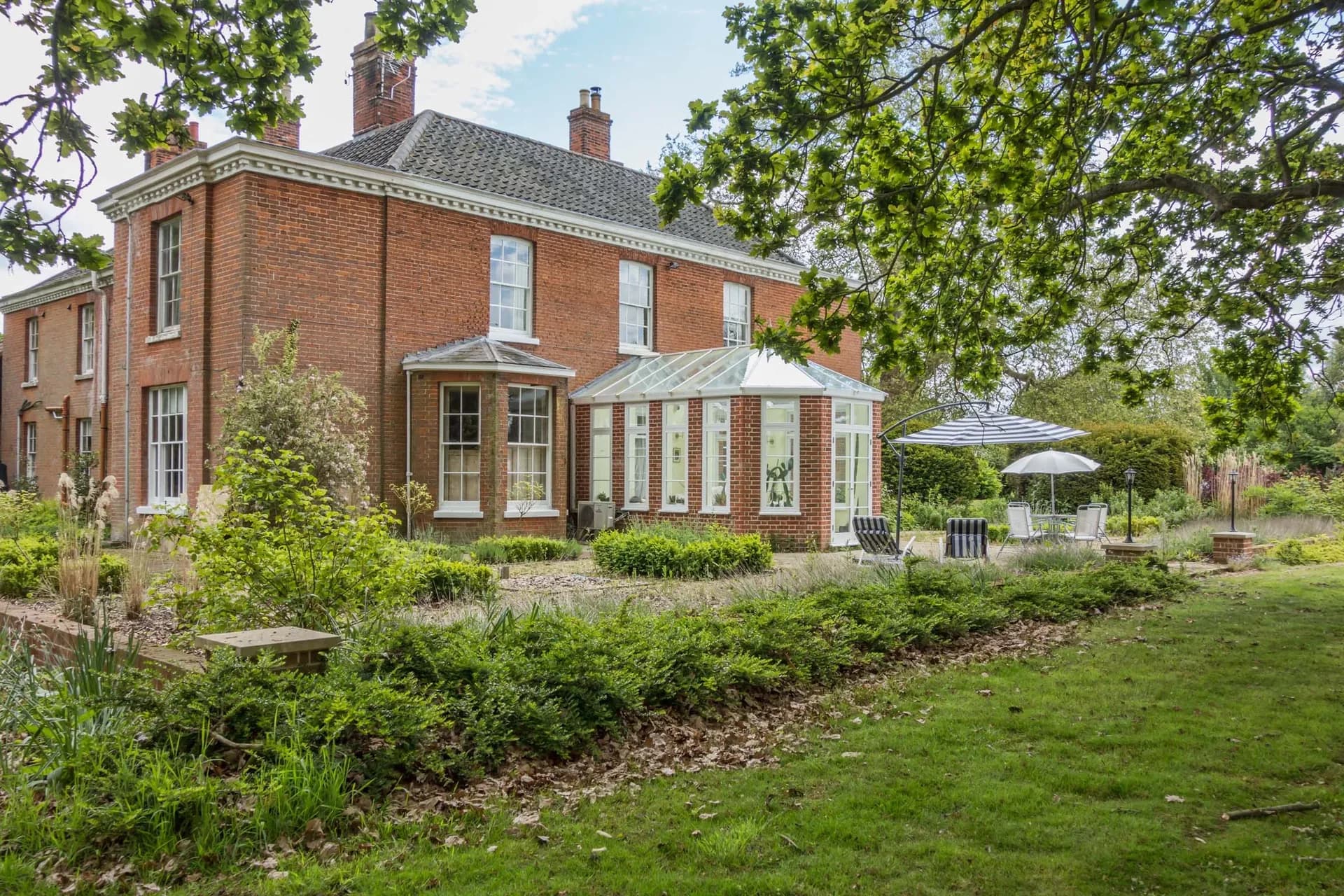
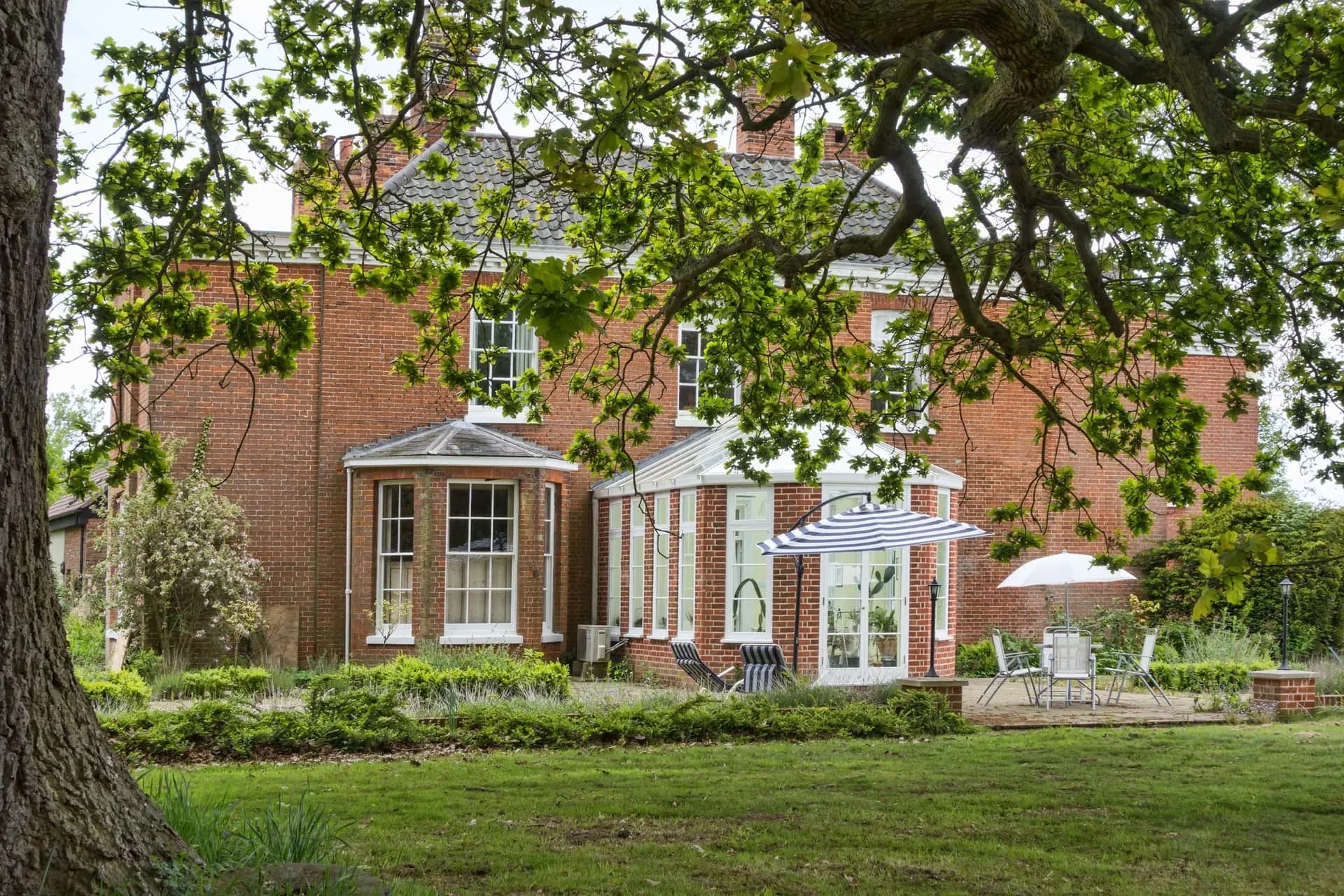
Lingwood Hall sits on the southern edge of the Broads, making it one of the best-placed bases for exploring the network. The River Yare flows less than two miles from the Hall, and the first broads are within a fifteen-minute drive.
Getting on the Water
Hiring a day boat is the quintessential Broads experience — and it requires no previous experience or licence. Day boats seat between two and twelve people and can be hired from several yards around the network. The most popular hire centres are Wroxham (on the River Bure, 20 minutes from Lingwood), Potter Heigham, and Acle.
For those who prefer guided trips, public river cruises operate from Wroxham, Horning, and Norwich throughout the summer season. The Southern Rivers — the Yare, the Chet, and the Waveney — tend to be quieter than the Northern Rivers (the Bure, the Ant, and the Thurne) and offer a more peaceful experience.
Canoe and kayak hire is available from several locations including Wroxham Barns and the River Centre at Horning, offering a closer, quieter way to explore the smaller dykes and backwaters.
Best Villages to Visit
Wroxham & Hoveton sit either side of the River Bure and together form the main hub of the northern Broads. Wroxham is home to Roy's of Wroxham — the famous village store that occupies half the high street — and has numerous boat hire operators, riverside pubs, and the terminus of the Bure Valley narrow-gauge railway.
Horning is one of the prettiest Broads villages, with thatched waterside cottages, a broad staithe (quay), and a long-established sailing club. The Ferry Inn here has a riverside terrace that's perfect on a warm afternoon.
Ranworth, on the southern Broads, is home to St Helen's Church — the 'Cathedral of the Broads' — whose tower offers a spectacular panoramic view. The floating Broads Wildlife Centre moored on Ranworth Broad is a must-visit for nature lovers.
Reedham, on the River Yare, is a working village with one of the last remaining chain ferries in England. The Reedham Ferry has operated across the Yare since the 17th century, and the crossing is a delightful curiosity. The village pub, the Lord Nelson, is excellent.
Acle sits at the junction of the A47 and the Bure, making it a convenient stopping point. Its market town feel and access to the river make it popular with day boaters and walkers.
Wildlife & Nature
The Broads support a remarkable range of wildlife. Over 300 species of bird have been recorded on the network, and the area is one of the few places in England where you have a realistic chance of spotting a bittern — the elusive, booming relative of the heron that breeds in the reed beds. Dawn and dusk are the best times to look and listen.
Marsh harriers are far more visible, quartering the reed beds throughout the day from spring to autumn. Hen harriers occasionally winter here. Bearded tits and sedge warblers are common in summer. Kingfishers can be seen along almost any river or dyke year-round.
The Norfolk Broads is the last stronghold of the swallowtail butterfly in the UK. This spectacular insect — Britain's largest butterfly — flies in June and can be seen at Hickling Broad, Ranworth, and Strumpshaw Fen. The milk parsley it feeds on grows abundantly in the Broads' wet meadows.
Otters are present throughout the network. Early morning canoe trips on quieter waterways offer the best chance of a sighting. Chinese water deer and roe deer are regularly seen along river banks, particularly in quieter areas of the southern Broads.
Walking & Cycling
The Wherryman's Way is a 35-mile long-distance footpath from Norwich to Great Yarmouth that follows the River Yare through the southern Broads. The section passing through Strumpshaw and Buckenham is particularly beautiful and passes directly close to Lingwood Hall.
The Bure Valley Path runs 9 miles alongside the Bure Valley narrow-gauge railway from Aylsham to Wroxham. It's flat, well-surfaced, and ideal for cycling — you can take the steam train one way and cycle back.
The Broadland Cycle Network covers over 100 miles of mostly quiet lanes and tracks through the Broads. Leaflets and GPX files are available from the Broads Authority. Bikes can be hired from Broadland Cycle Hire at Hoveton & Wroxham station.
Hickling Broad and Horsey Mere, in the northern Broads, offer excellent circular walking routes passing windpumps, reed beds, and open water. The Horsey wind pump, restored by the National Trust, is worth climbing for the view across the Mere.
Practical Information
The Broads are accessible year-round, but the best times to visit are spring (April–May) for wildlife, summer (June–August) for boating and the swallowtail butterfly, and autumn (September–October) for golden light, fewer crowds, and migrating birds.
Navigation on the Broads requires care — the rivers have speed limits (typically 3–4 knots) and many bridges have low clearances. All hire boats come with a full briefing from the yard. The Broads Authority website (broads-authority.gov.uk) has detailed navigation guides and maps.
The southern rivers — the Yare and the Waveney — are noticeably quieter than the northern network and are recommended for first-time boaters or those seeking a more peaceful experience. Lingwood's position makes the southern rivers particularly accessible.
Distances from Lingwood Hall
Your Base on the Broads
Stay at Lingwood Hall
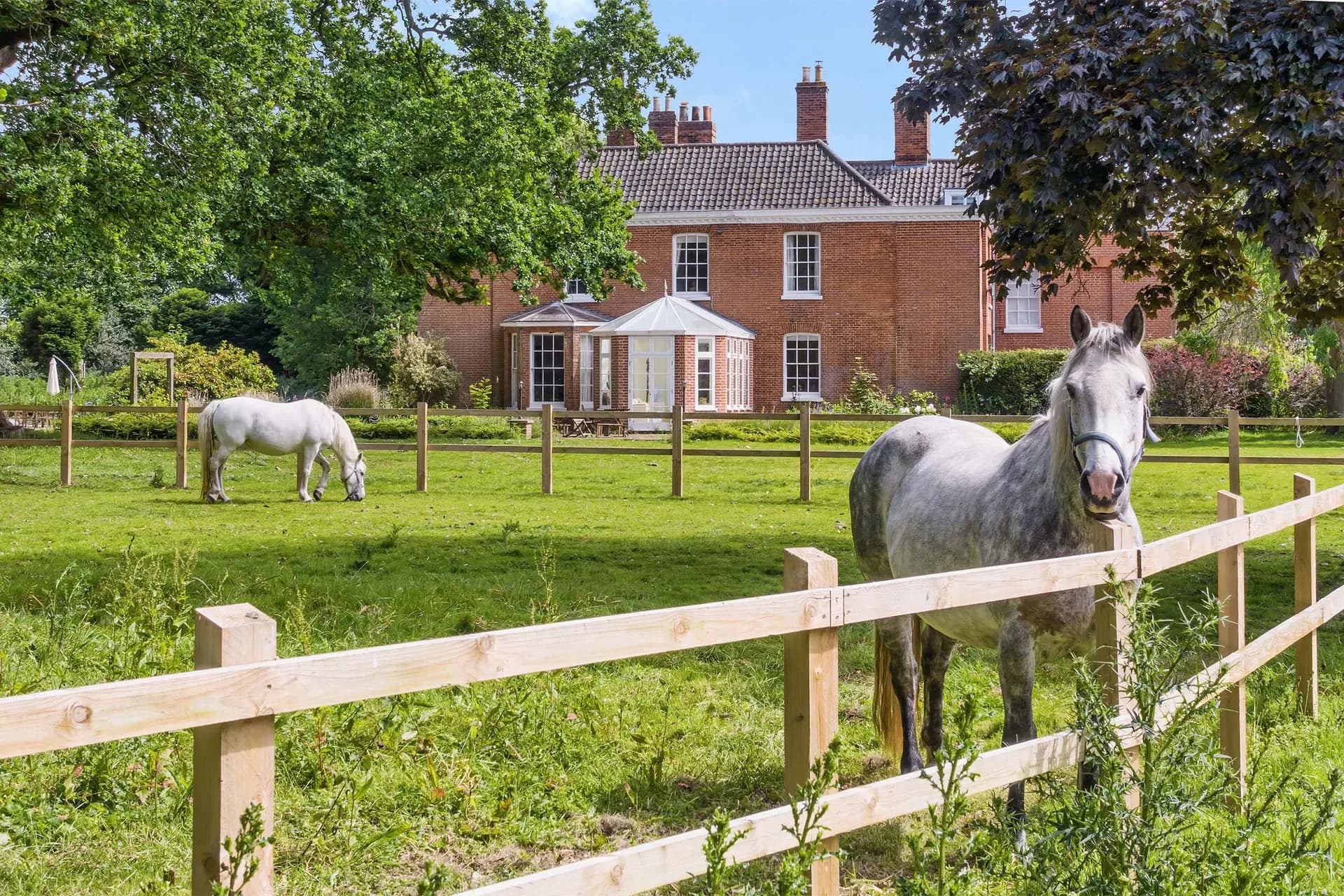
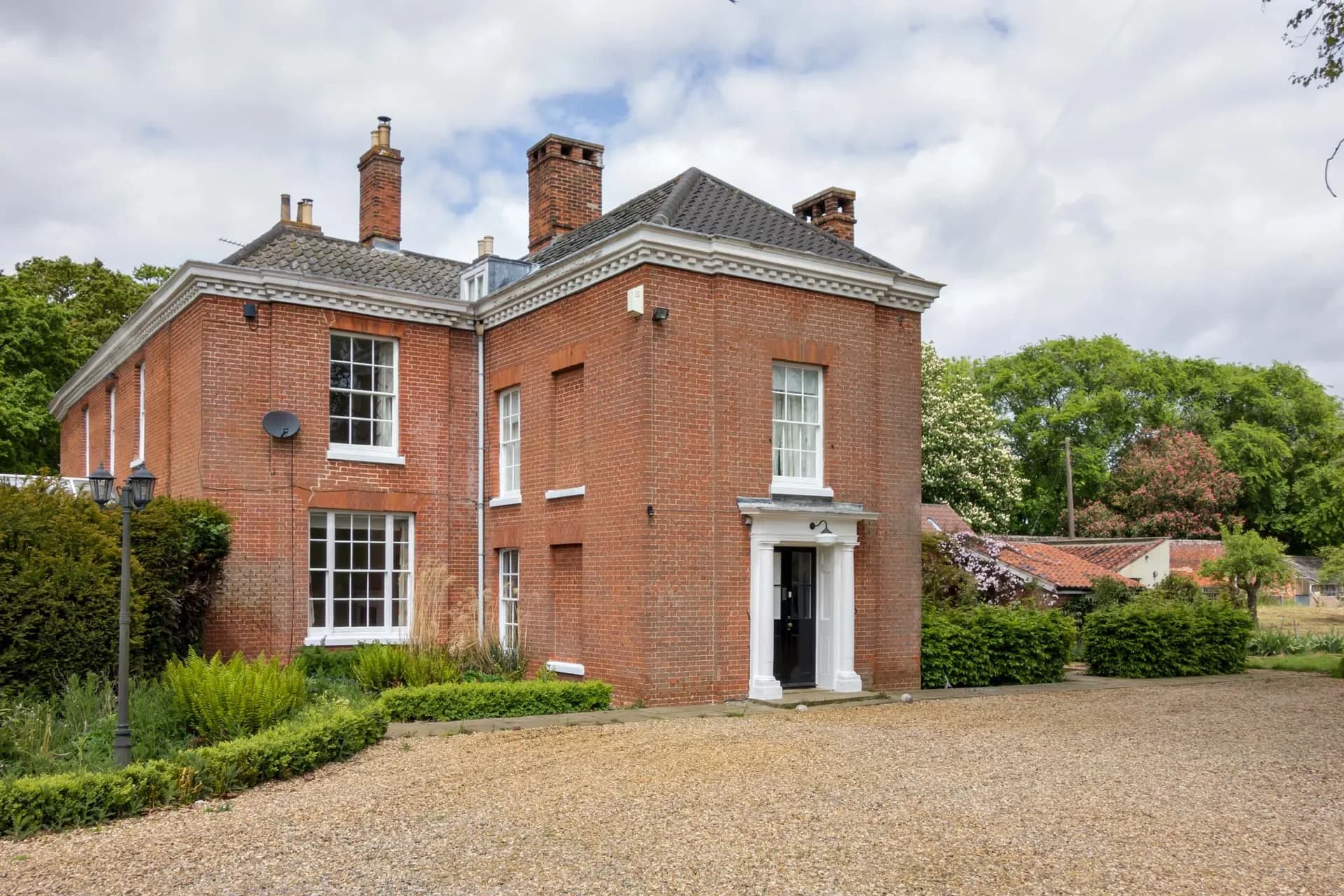
The perfect base for exploring the Norfolk Broads. Eleven rooms in a Grade II listed Georgian mansion, from £35 per night.
← Back to all guides